
As an important development direction for future advanced technology, quantum technology is expected to provide more powerful tools for the research, design, and simulation of a new generation of drugs, sparking a revolution in computing technology, human measurement, biomedicine, and related imaging.
This project integrates quantum computing, measurement, and digital twins for precision medicine and rapid drug development. It covers two main areas: quantum-assisted antibody/drug design and quantum AI precision medicine 3D imaging. In antibody and drug design, traditional antibody design takes 1–2 years, whereas our quantum AI-assisted design can be completed in under two weeks. We have delivered over 100 antibody design orders, incubated nearly 10 AI antibody pipelines, with 3 entering clinical trials. One late-stage cancer treatment product is being tested in over 100 cases across multiple countries, reducing the cost by 50%.
1. The global cancer treatment market is estimated at $282.28 billion in 2025. If we capture 1%, we could achieve an annual revenue of 21 billion yuan; in drug development, leveraging quantum computing, AI, and digital twins can significantly reduce trial-and-error experiments, with the global related market exceeding 300 billion yuan.
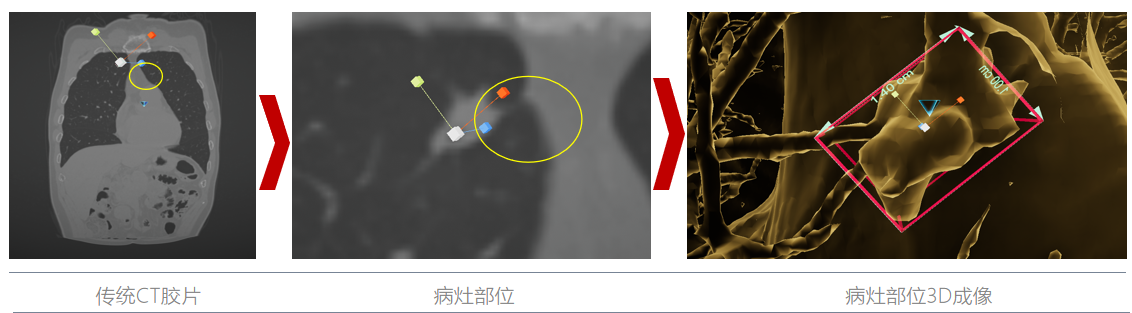
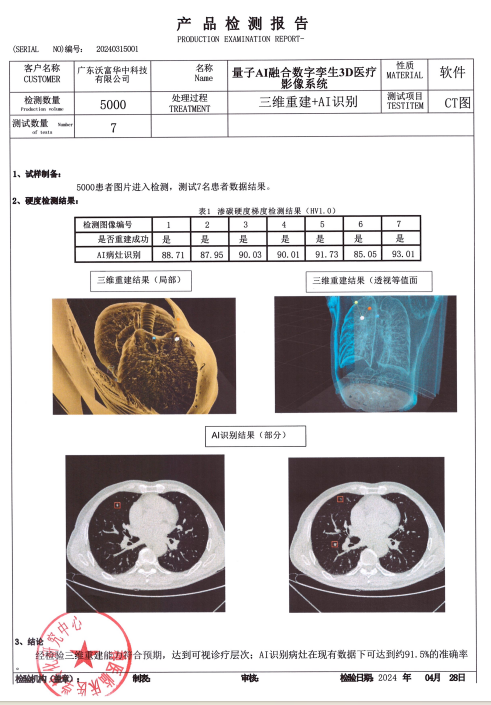
2. In the field of precision medicine 3D imaging, the domestic hospital film consumables market is worth 154.4 billion yuan. Our system can convert DICOM files from CT, MRI, and other devices into 3D images, with a lesion recognition rate exceeding 91%. It also meets the requirements of national cloud film and Internet hospital policies, with a market potential of over 100 billion yuan.
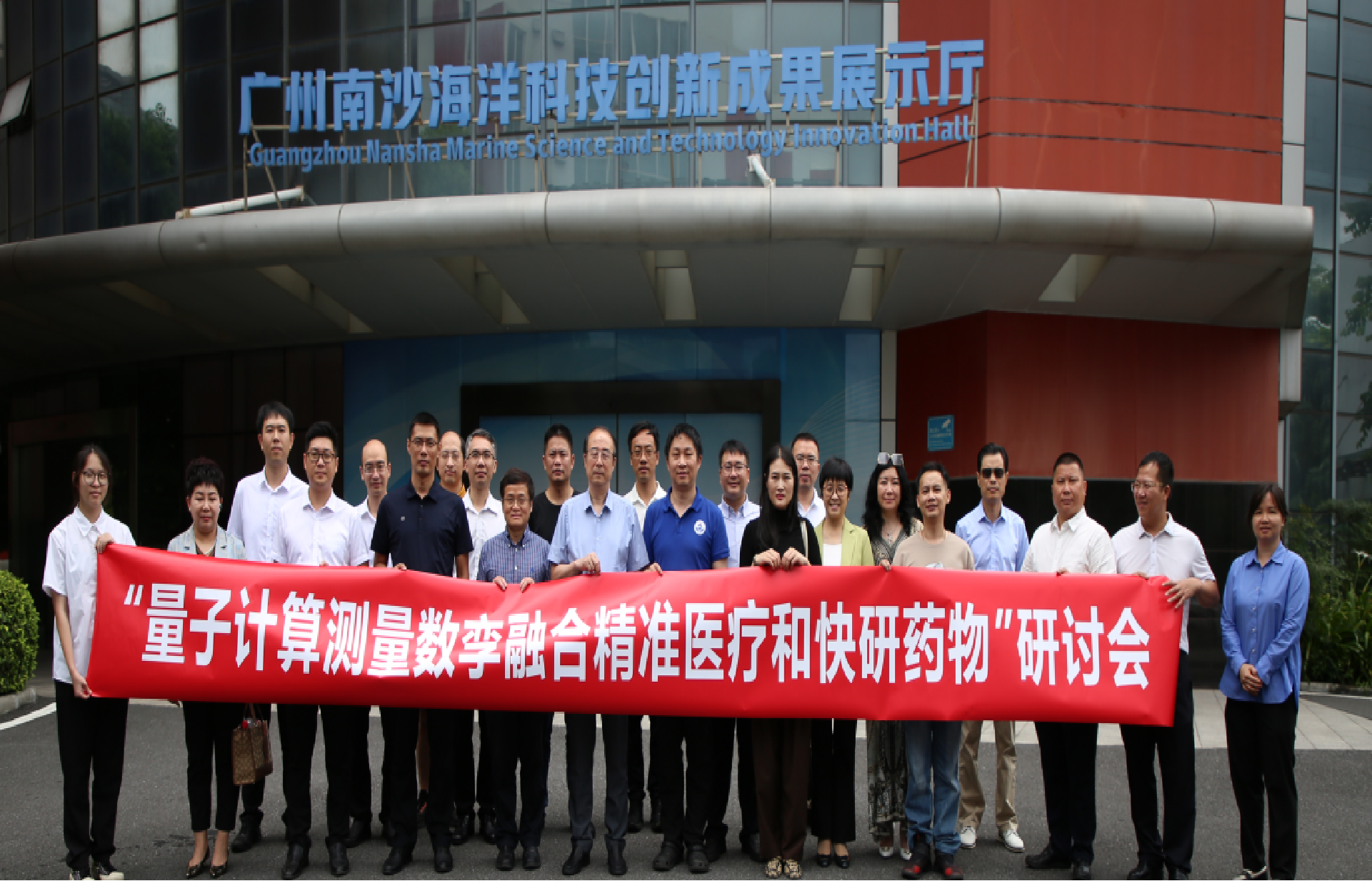
The team's quantum technology will accelerate revolutionary upgrades in the healthcare and pharmaceutical industries, and we are holding the first Guangdong-Hong Kong-Macao event.
Seminar on Quantum Computing Measurement and Digital Twin Imaging Integration for Precision Medicine
- As an important direction for the development of advanced computing in the future, quantum computing is expected to provide more powerful tools for the development of next-generation drugs and the design of new materials, triggering a new revolution in computing and biomedicine.
- Quantum computing may greatly expand people's ability to simulate molecular structures and properties; through large-scale analysis and machine learning, quantum computing can also better help elucidate gene expression and explore the mysteries generated by specific mutations.
- In the process of developing effective drugs, the fast data processing capability of quantum computers can be utilized to evaluate the interactions between molecules, proteins, and chemical substances to determine whether a drug can improve certain problems or cure diseases.
- Quantum chemistry is the science of using quantum mechanics to understand the complex bonds and reactions of molecules. Beyond the simplest chemical processes, any "moving parts" in the field of biomedicine exceed the capabilities of the largest and fastest supercomputers.
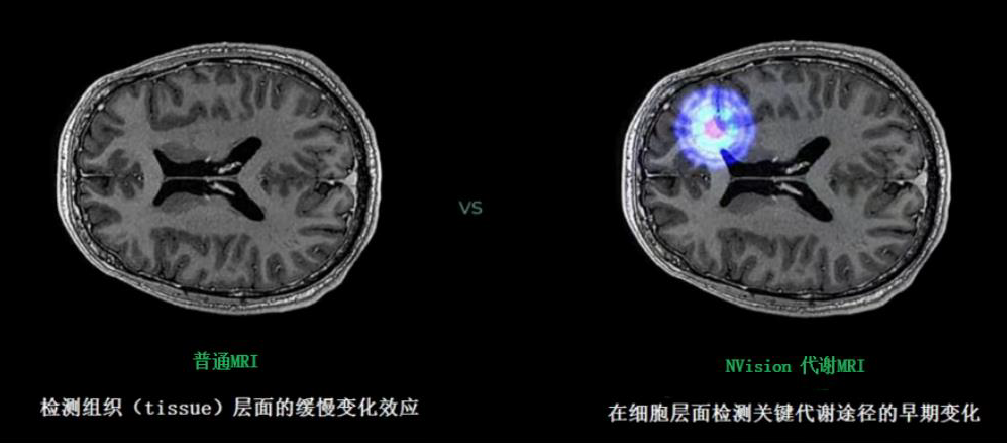
Develop a set of quantum polarimeters (equipment) and 13C reagent kits (tracer consumables) through the interdisciplinary frontier technologies of quantum physics, quantum optics, quantum biology, and quantum computing, transforming existing conventional MRI into high-definition and sensitive metabolic MRI imaging devices.

Academician Ye Chaohui, Dean of the School of Physics and Mathematics of the Chinese Academy of Sciences, wrote a recommendation to Standing Committee Member and Vice Governor Wang Xi, and our Chief Scientist's handwritten letter on vigorously developing quantum computing technology and industry in the Greater Bay Area...
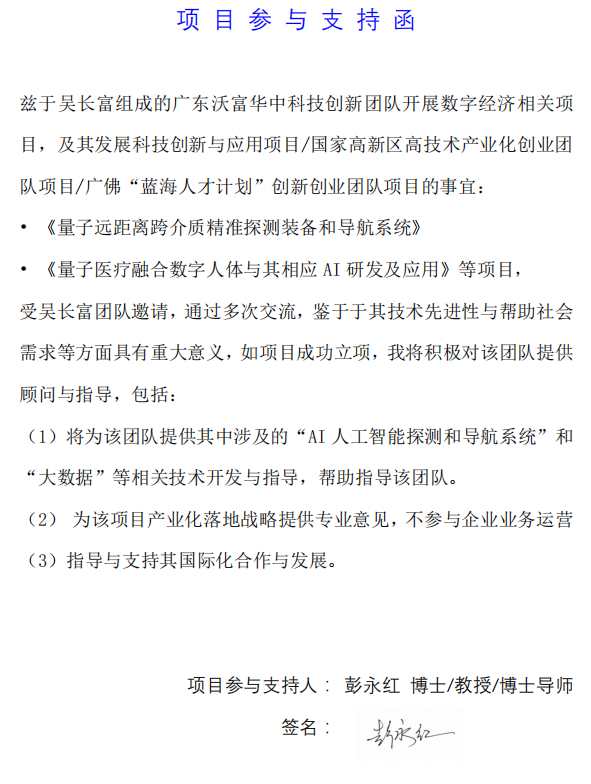
Chair of the Big Data Special Committee of the IEEE Computational Intelligence Society, supported by the technical team of Professor Peng Yonghong, a Royal AI Fellow at the University of Manchester, UK

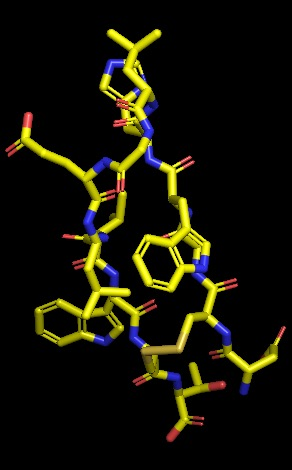
Quantum conducts studies on the biochemical structure, properties, simulation, folding, and evaluation of drug proteins and molecules, and accelerates the design and development projects of both traditional Chinese and Western medicines.
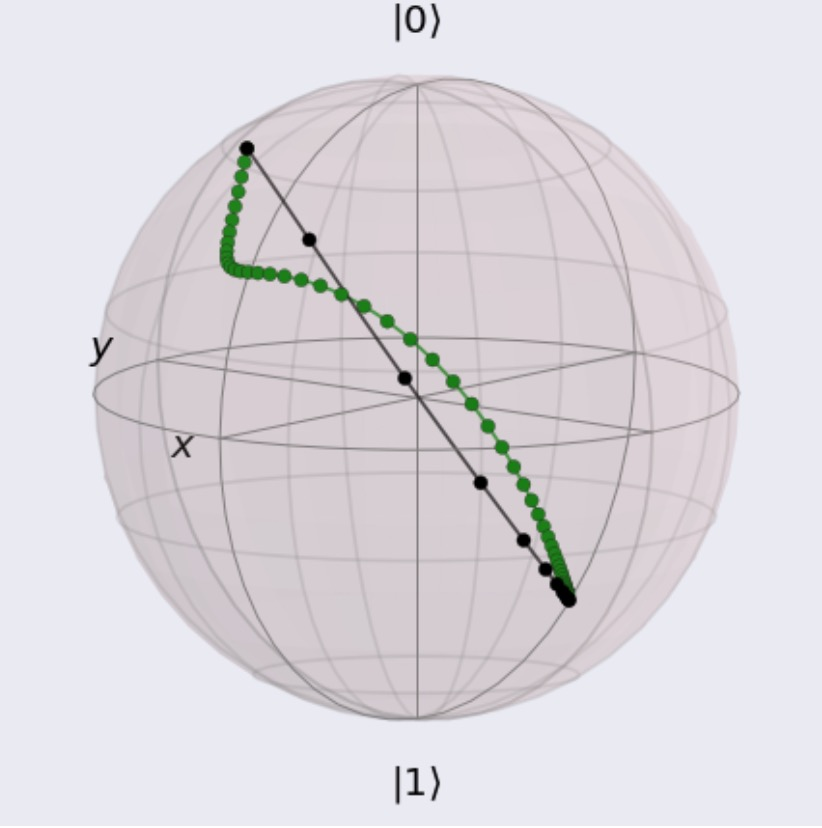
The method of accelerating protein folding simulations using quantum natural gradient computation first maps qubits to amino acids and constructs the peptide chain. By performing eigenstate evolution on the system Hamiltonian of the constructed quantum peptide chain, when the quantum system Hamiltonian evolves from an excited state to a stable eigenstate, its energy dissipation mimics the natural lowest-energy state of protein folding. Consequently, at this point, the tensor network formed by multiple qubits is equivalent to the three-dimensional configuration of the protein. Additionally, during iterative cycles, a block-diagonal approximation of the Fubini-Study metric tensor of the variational quantum circuit is employed on quantum hardware. Through the variational quantum circuit:
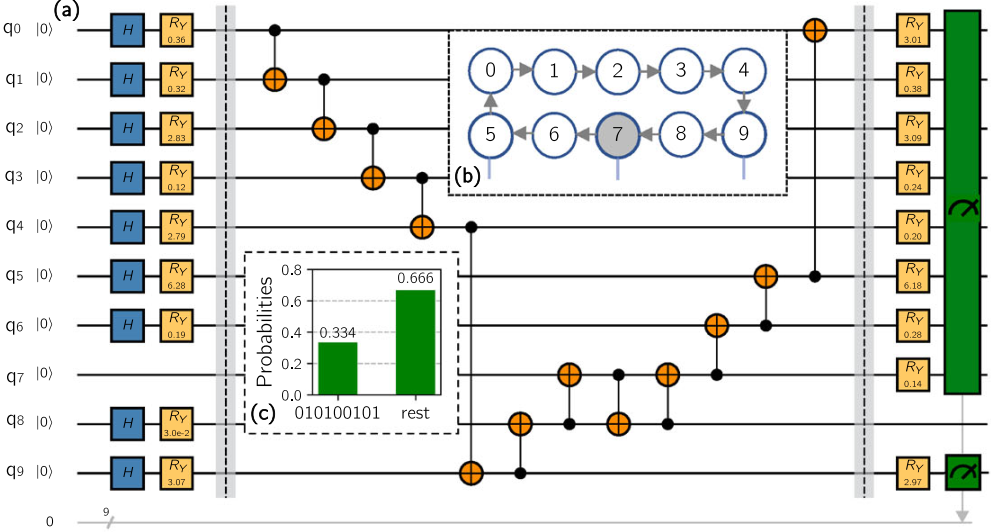
Optimizing the set of qubit angles θ in the Hamiltonian of the system for the natural gradient variational quantum eigenvalue solver significantly reduces the number of optimizer iterations required to minimize the classical cost function, thereby accelerating the process of simulating protein folding on a quantum computer.

AI Quantum Intelligent 3D Digital Imaging Path:
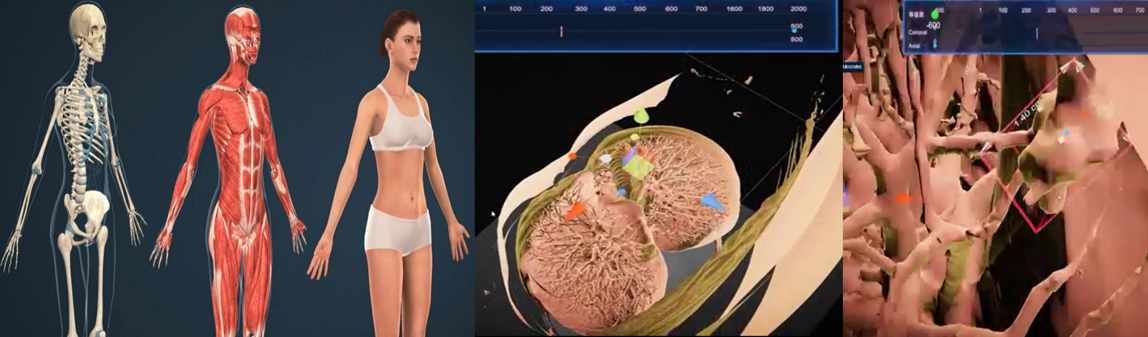
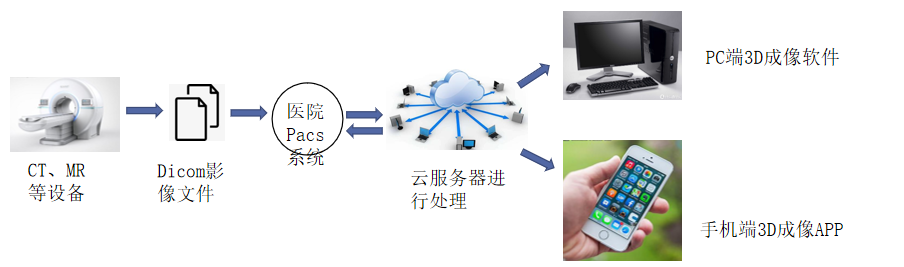
Technical Path of Quantum Intelligence 3D Digital Imaging Diagnostic System
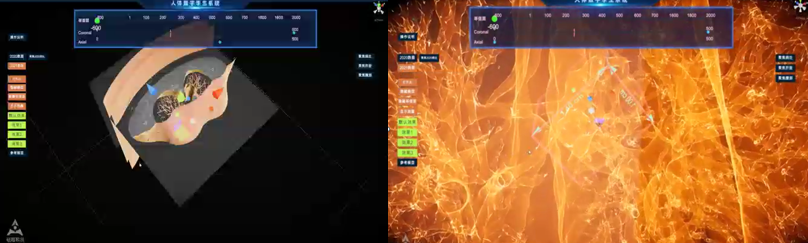
We have jointly tested and promoted it with top-tier domestic hospitals and research institutions.
Advantages of Our AI Quantum Three-Dimensional Digital Imaging Diagnostic System Technology Plan
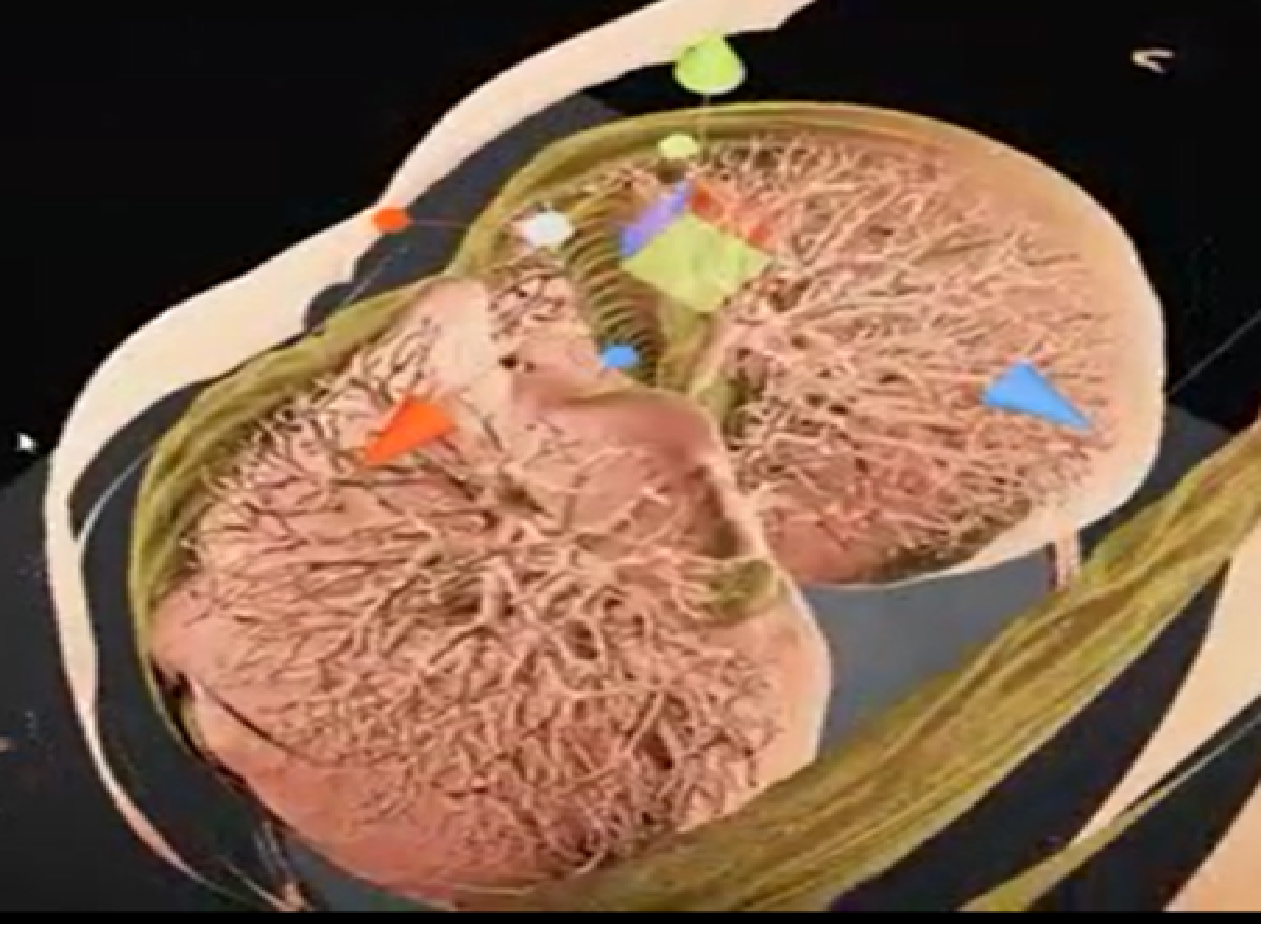
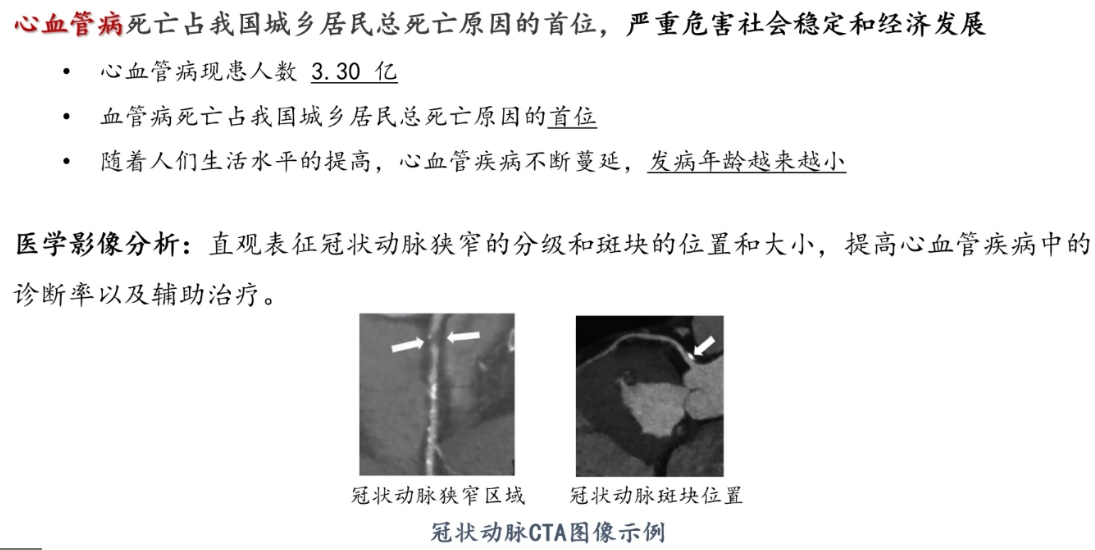
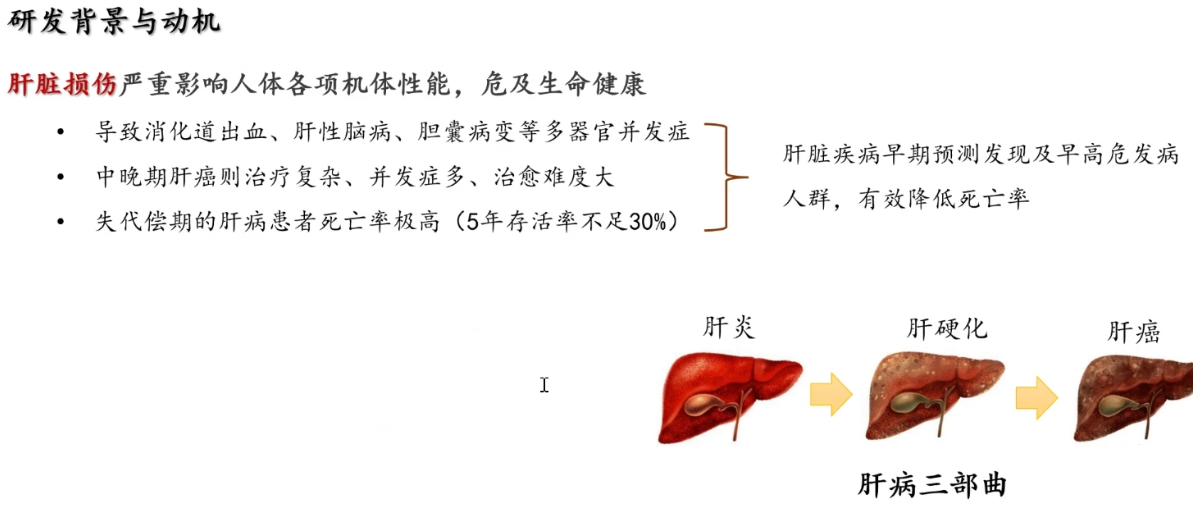
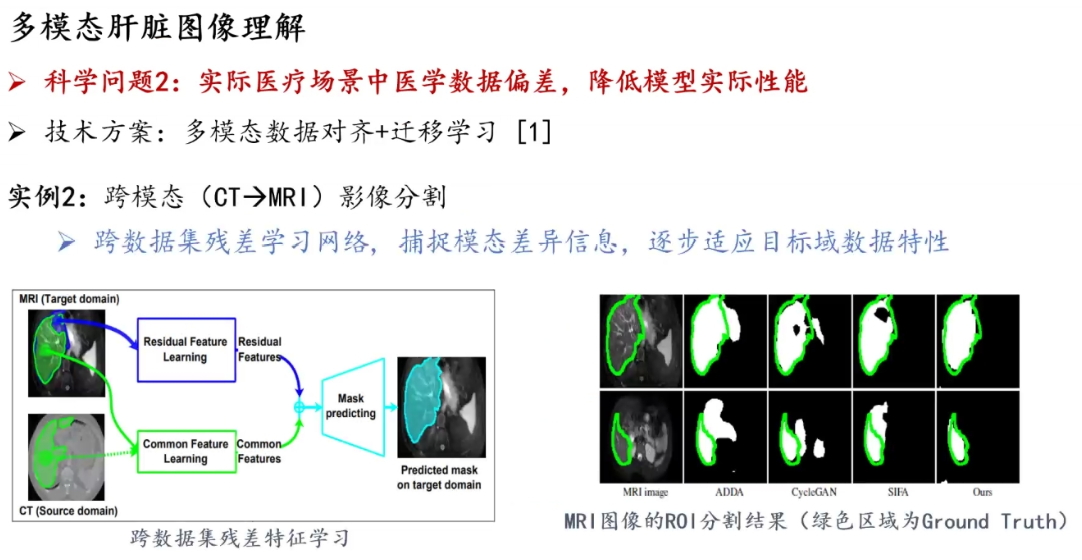
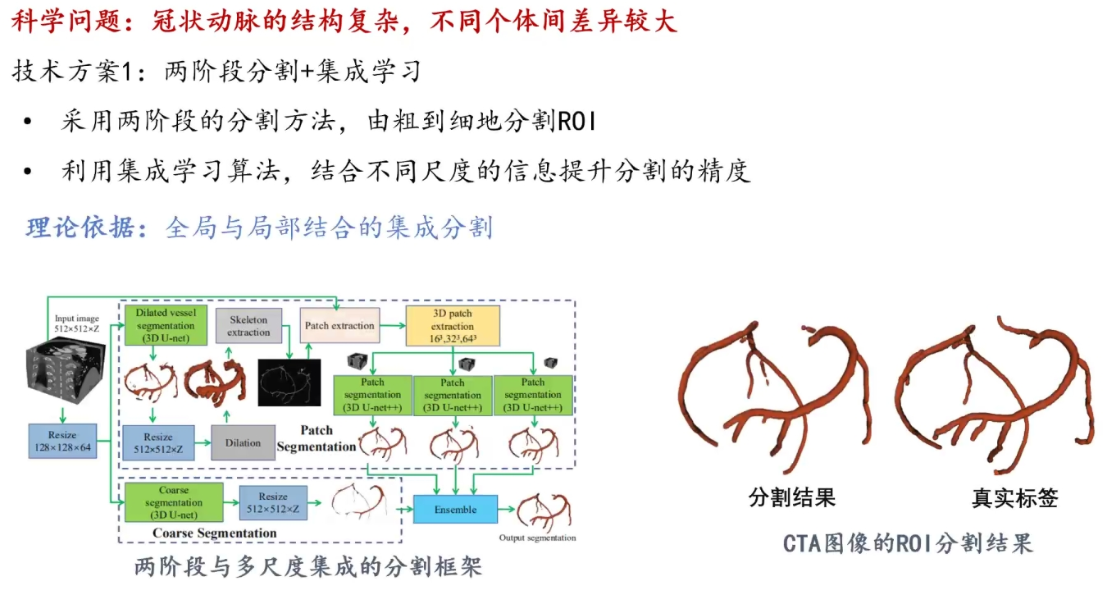
Currently, imaging devices such as CT, MRI, PET, and ultrasound can acquire three-dimensional data; however, traditional two-dimensional displays can only present two-dimensional planar information. To obtain information from multiple angles and scales, doctors need to adjust the viewing perspective. Presenting three-dimensional information directly to doctors in a stereoscopic format during surgery can enable them to acquire more comprehensive and accurate information about the structure and morphology of patient organs.
The integral videography (IV) technology we have developed for stereoscopic holographic display does not require special glasses or tracking devices and can present geometrically accurate true three-dimensional images. When performing surgery guided by naked-eye three-dimensional display images, doctors can flexibly obtain depth information, understand the hierarchical relationships of tissues, organs, and instruments, which helps improve surgical accuracy.
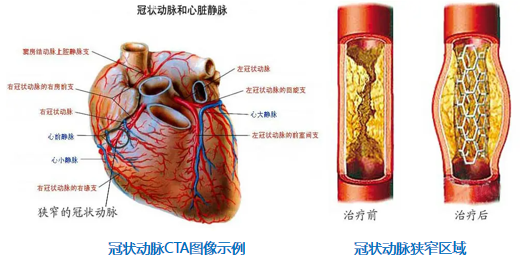
New Three-Dimensional Medical Stereoscopic Image
Successfully developed integral videography technology for medical imaging, perfectly integrating computer image processing, optical imaging, quantum algorithms, and medical information processing technology, solving a problem proposed in 1908 that had never been applied in practice.
Innovative Three-Dimensional Holographic Technology
Stereoscopic holography technology utilizes compound eye lenses and spatial reconstruction of high-resolution images after image processing to successfully address the issues of inaccurate spatial positioning and visual fatigue associated with binocular stereoscopic displays, as well as the challenges faced by holography in achieving fully true-color and dynamic real-time displays. It has developed complete stereoscopic images with characteristics such as color, animation, and no aberration, enabling the stereoscopic images of displayed objects to be viewed directly with the naked eye without any auxiliary devices.
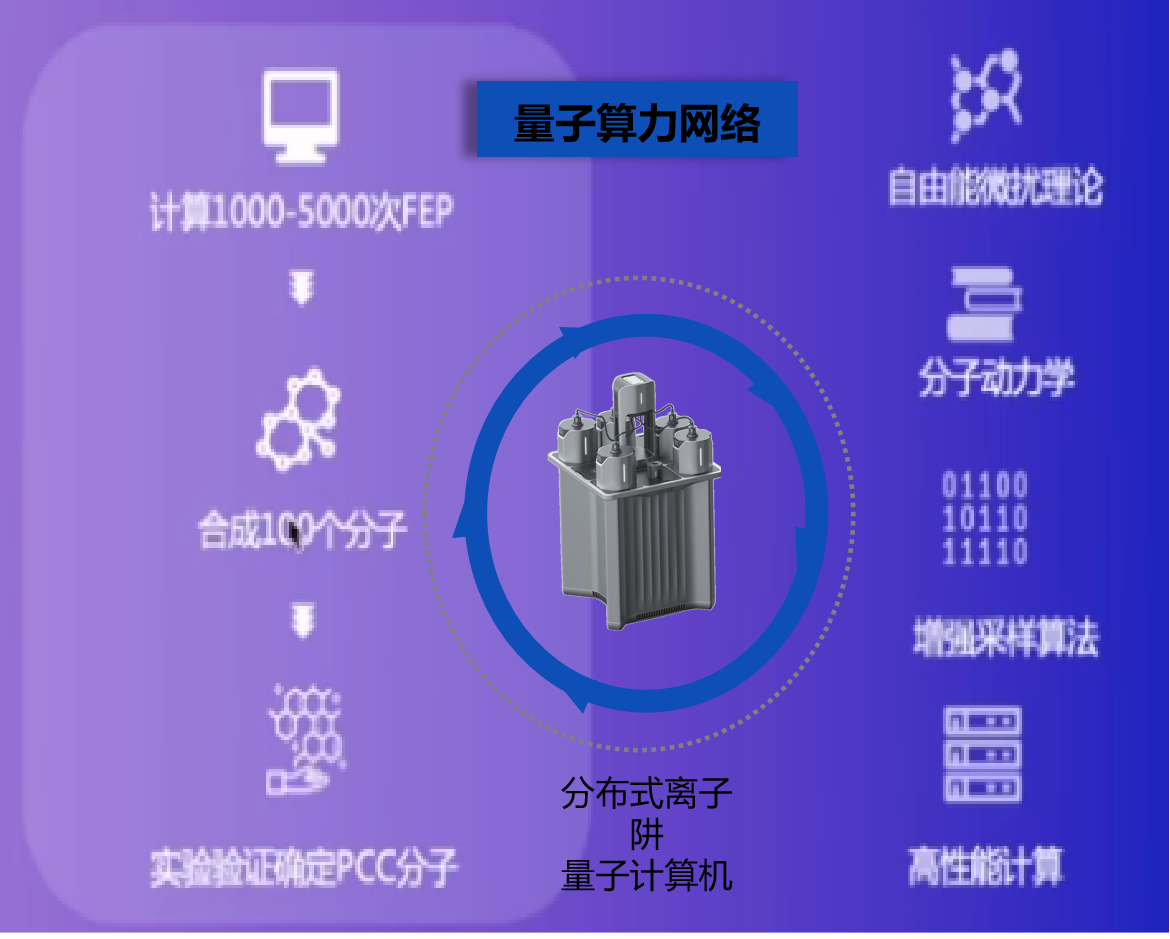
Main Technology — Quantum Computing Algorithm Image Reconstruction
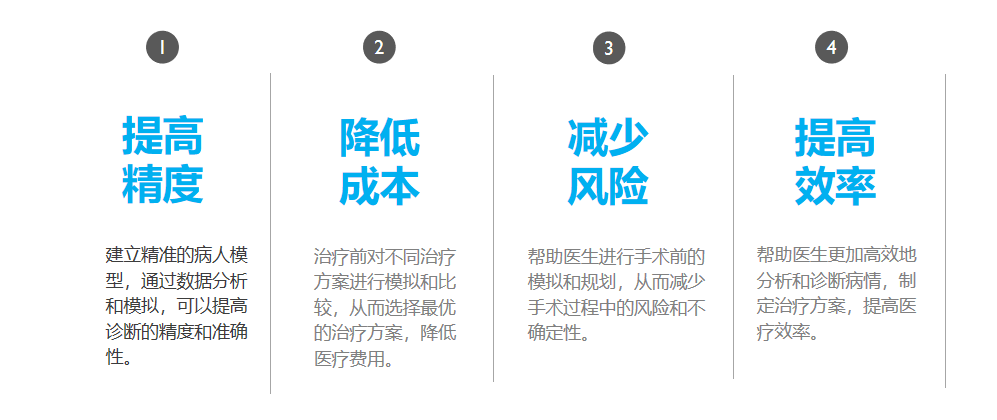
Derivative Sector Benefits: Our AI-quantum number twin integration technology can accelerate the upgrading of multiple industries in healthcare and pharmaceuticals.
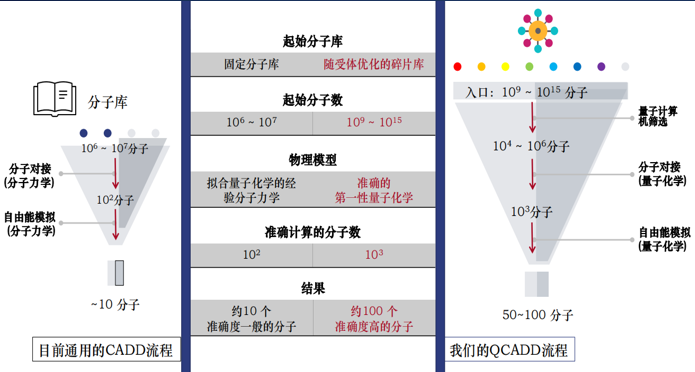
Our AI quantum computer integrated with digital twins is currently ranked first domestically. It is not only applied in medical imaging and medical sensing but also has the advantage of addressing problems such as the exponential growth of computational demands in molecular diversity. Quantum computing can assist in drug design to develop effective new molecules more accurately and quickly, aid in the folding of large protein molecules, molecular docking, establish AI-personalized libraries of drug molecules at the quantum level matching specific targets, and enable rapid screening and preparation. This also extends to hospital-targeted cancer research, free energy quantum simulations, breakthroughs in qualitative and quantitative analysis of traditional Chinese medicine at a microscopic level, and more. Investors can benefit from all of these! The integration of AI twins and quantum computing is expected to achieve breakthroughs in precision medical imaging, genuine quantum medical devices, and digital humans (digital twin of the human body).
Project Market Background, Hospital Challenges, Patient Difficulties
Background 1:
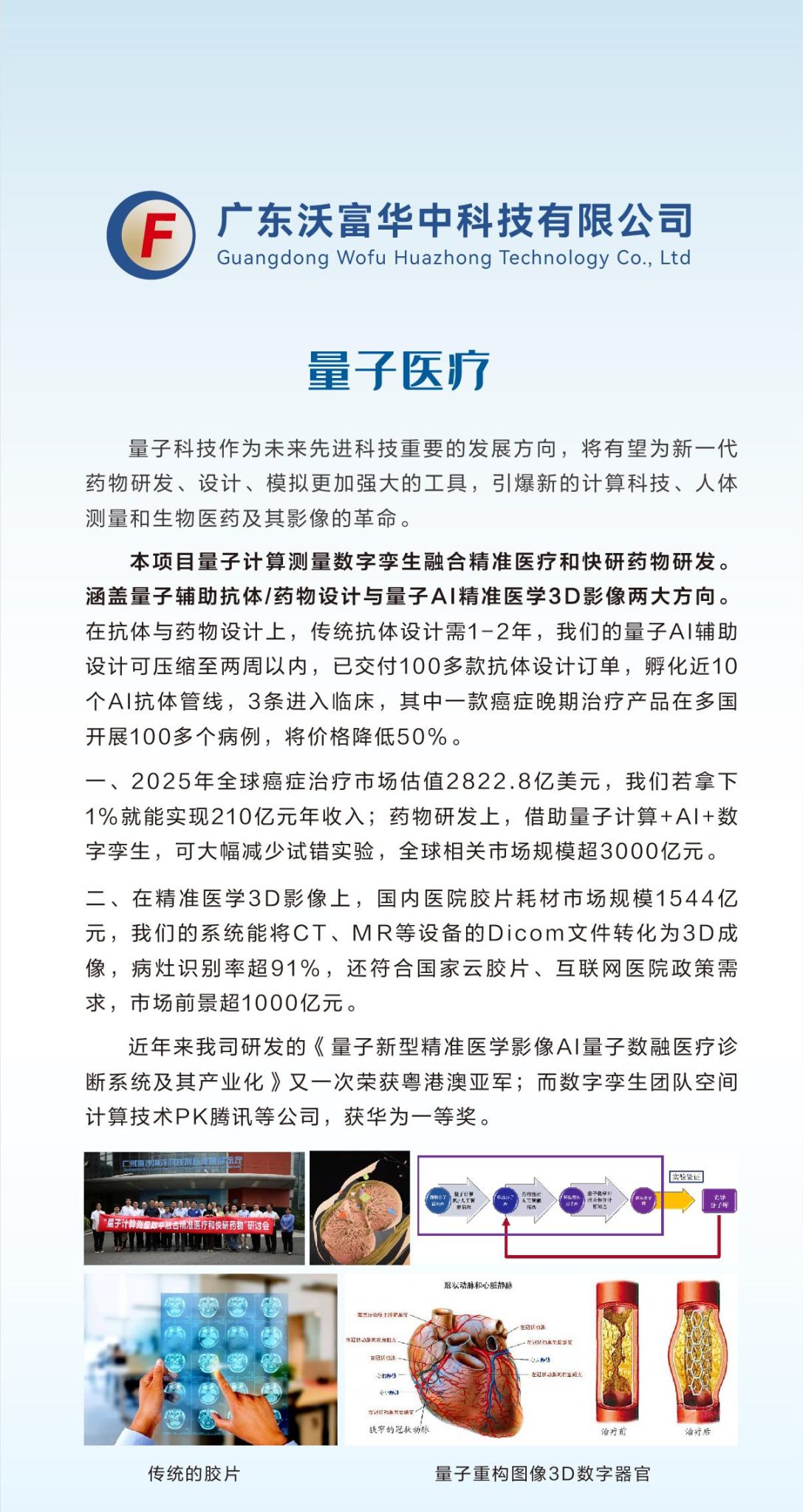
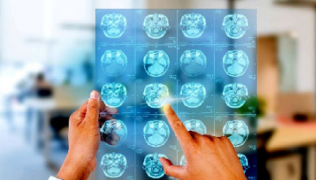
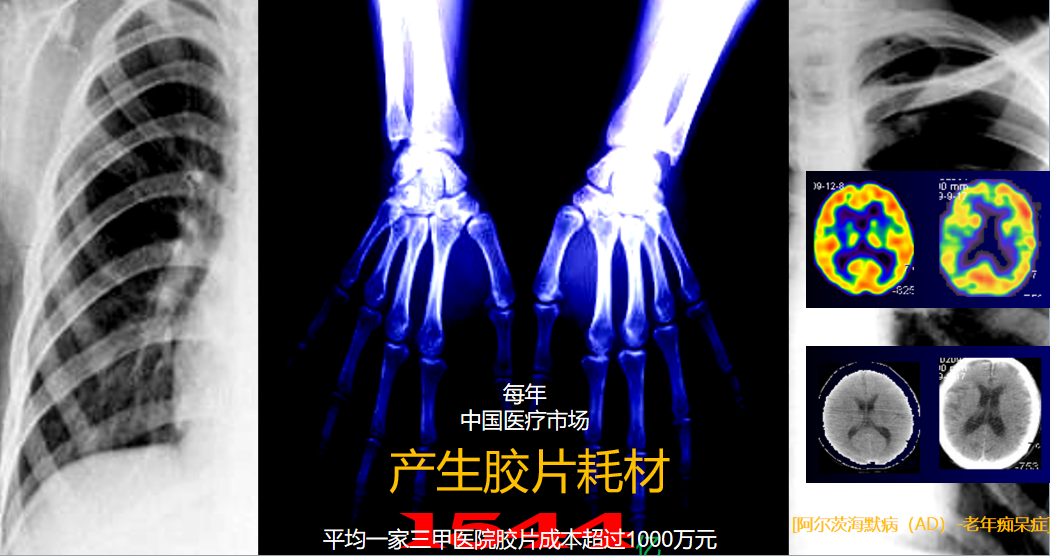
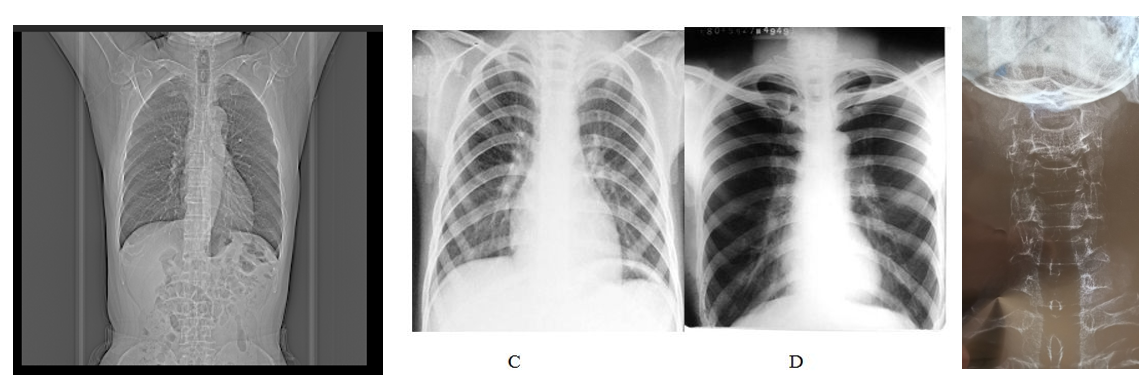
Film has traditionally been the primary diagnostic medium for medical imaging in conventional radiology.
The annual cost incurred by top-tier hospitals is approximately 10 million yuan.
Moreover, being dark in color, identification, transportation, transfer between hospitals, and storage are all troublesome matters.
Background 2:
Rapid acupuncture point localization for cervical spondylosis.
[Alzheimer's Disease (AD) – Senile Dementia]: Affects 150 million people worldwide; the number of dementia patients in our country is 9.5 million.
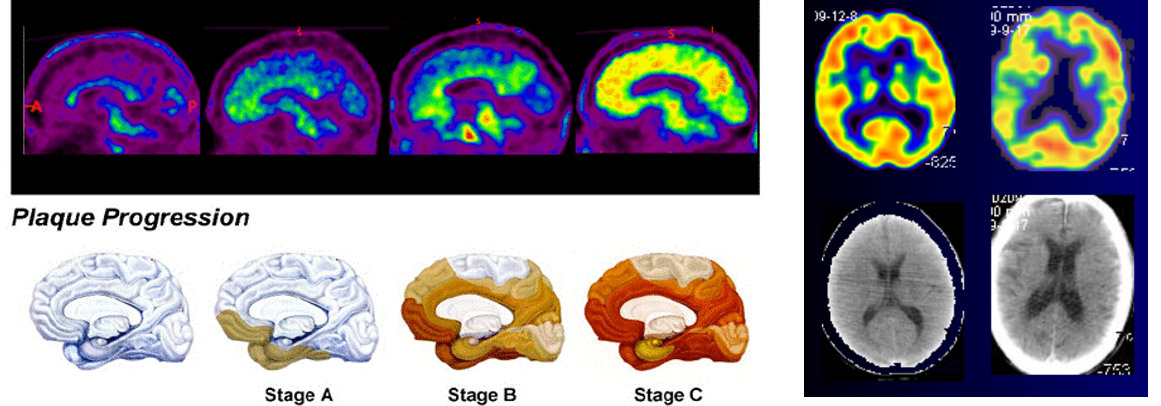
Amyloid beta (Aβ), as the main core component of Alzheimer's disease (AD) senile plaques, is a cause of neurodegeneration and an important pathological feature. Brain Aβ imaging helps in the early diagnosis of AD, assessment of whether cognitive function is impaired, evaluation of therapeutic efficacy, and screening of high-risk populations. But how can it be cleared, and how can breakthroughs be achieved? Clearing Aβ can promote the efflux of Aβ from the central nervous system, thereby indirectly reducing abnormal Aβ deposition in the brain and improving related neuropathological changes and cognitive function.
Head CT or MRI can show brain atrophy and ventricular enlargement, and PET can reveal a significant decrease in glucose metabolism in the affected areas. (Figure A shows the head CT and PET of a normal person; Figure B shows the head CT and PET of a patient with Alzheimer's disease)

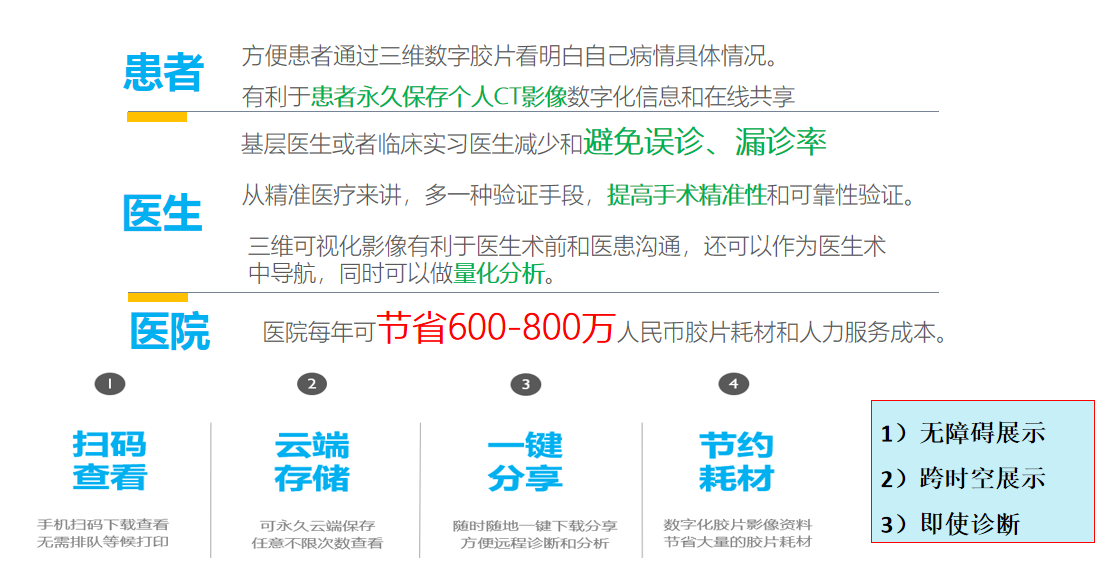
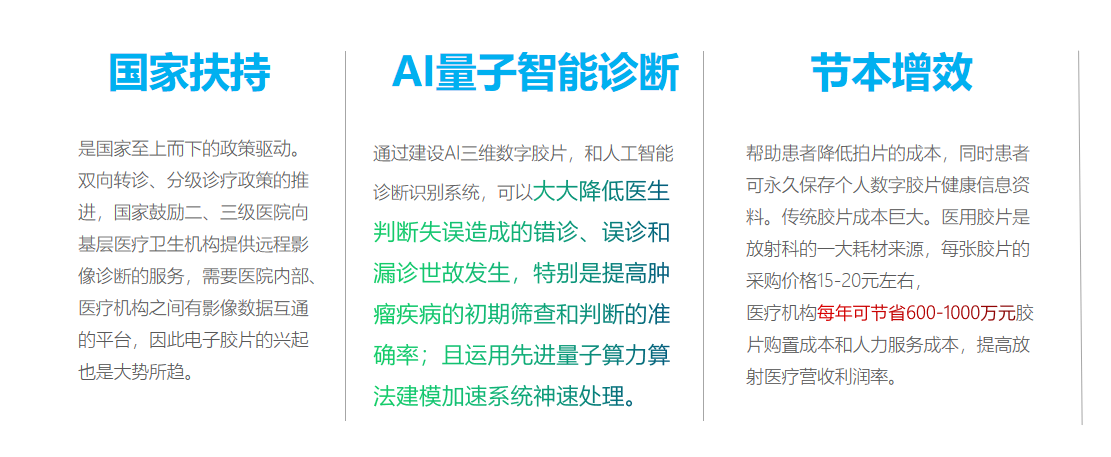
- Actively respond to the national implementation of "smart healthcare" and "smart services", achieve digital transformation and upgrading, improve work and service efficiency, and reduce costs while benefiting both medical staff and patients.
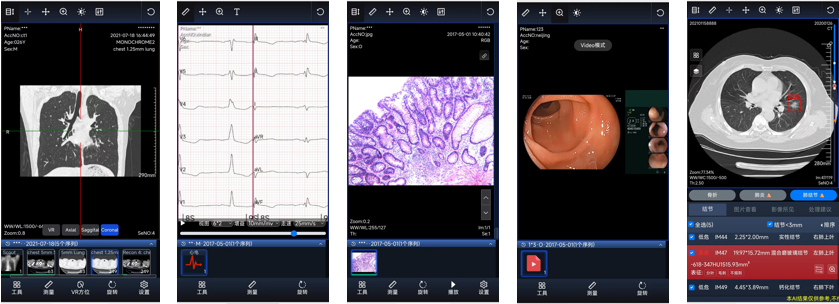
- “3D Cloud Imaging” is a type of medical imaging service that supports real-time three-dimensional modeling of diagnostic information based on mobile internet and cloud storage. It provides more complete and accurate information that is mutually recognized among hospitals. In simple terms, cloud imaging is an electronic film stored in the cloud, allowing functions such as immediate storage and retrieval, instant use and viewing, and intelligent terminal access, thereby achieving wireless connectivity among patients, doctors, and hospitals. It replaces the traditional “plastic bag and film” model, reducing the cost investment in self-service printing equipment and consumables.
- Saves equipment space, reduces consumable pollution, and is low-carbon and environmentally friendly.
- Save the transmission and printing of image files, improving work efficiency.
- Digital intelligent services reduce the need for patients to queue for printing images, facilitating a better patient experience and enhancing the hospital's service reputation.
- Three-dimensional vector diagnostic imaging provides precise and clear perception of lesion information, enhances communication between doctors and patients, and reduces medical disputes.
- Innovating the model through joint construction and sharing, the involvement of third-party funds and technology supports the development of smart hospitals, reducing investment and increasing returns.


Introduction in a single image